AI tools are now part of the daily rhythm of academic work. We use them to find papers, draft feedback, simulate patient encounters, and generate visuals. Yet most people still rely on the same handful of tools they tried when ChatGPT first arrived. The landscape has moved on. New entrants are smarter, more secure, and often designed with education or research in mind.
This first part of the Educator’s Toolkit focuses on AI tools that think with you: those that help generate, analyse, and explain.
Sometimes you just need a capable companion. AI Assistants can help you draft a paragraph, explain a dataset, or brainstorm a teaching scenario. The new generation of AI assistants differ in tone, transparency, and integration. These are the best of the current crop.
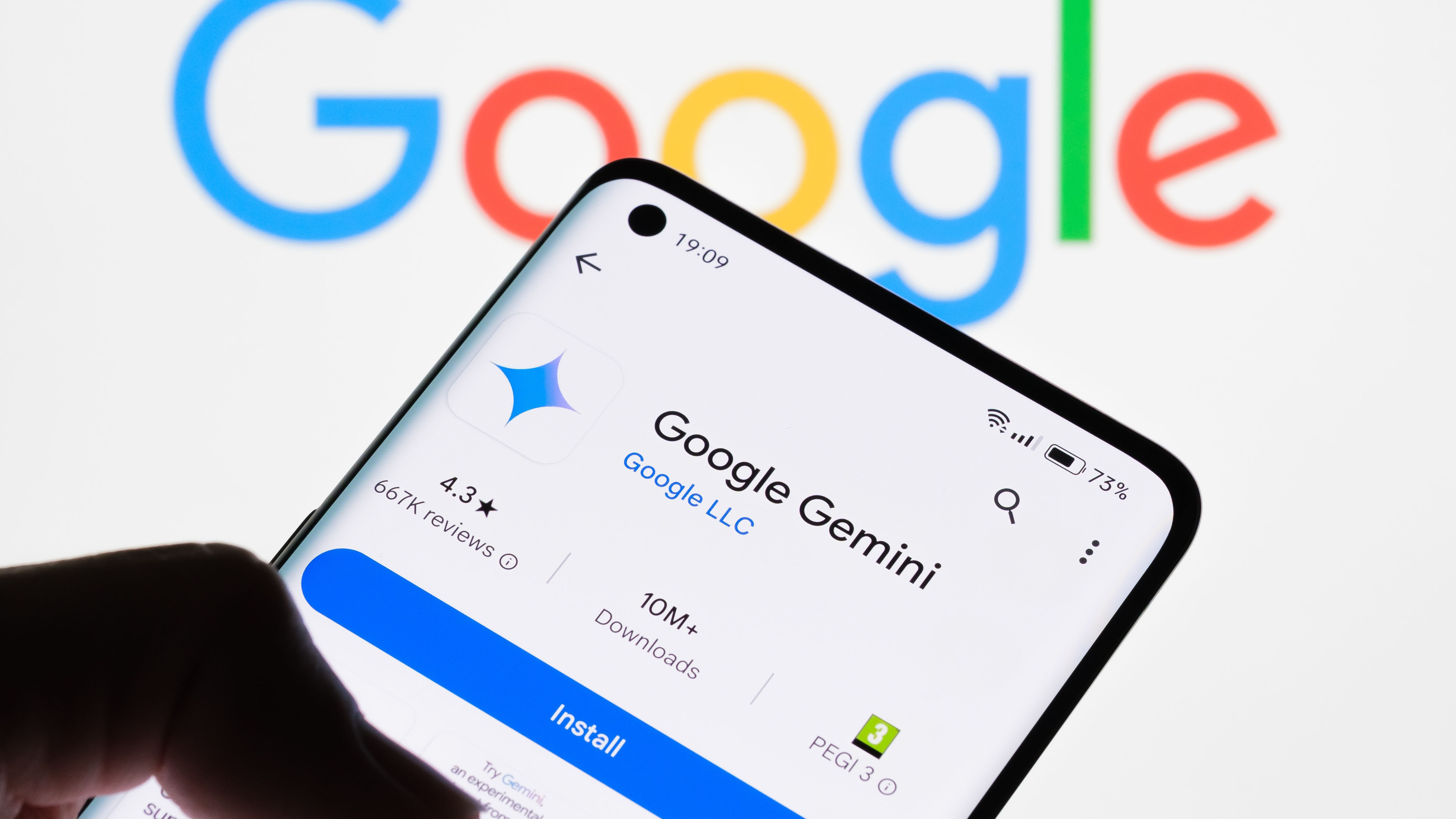
Best AI Assistant for most people: Google Gemini
Gemini is the most rounded AI assistant for academic use. It integrates with Google Workspace, performs multimodal reasoning across text, images and data, and has strong in-context accuracy. For quick drafting, feedback summaries or concept explanation, it’s the easiest generalist to live with.
Best GDPR-safe AI Assistant: Your institutional provided AI, usually Microsoft Copilot
For institutions bound by strict data governance, Copilot for Microsoft 365 remains the safest choice. It runs within your own organisational tenant, never leaving your data silo, and ties directly into Word, Excel and Outlook.
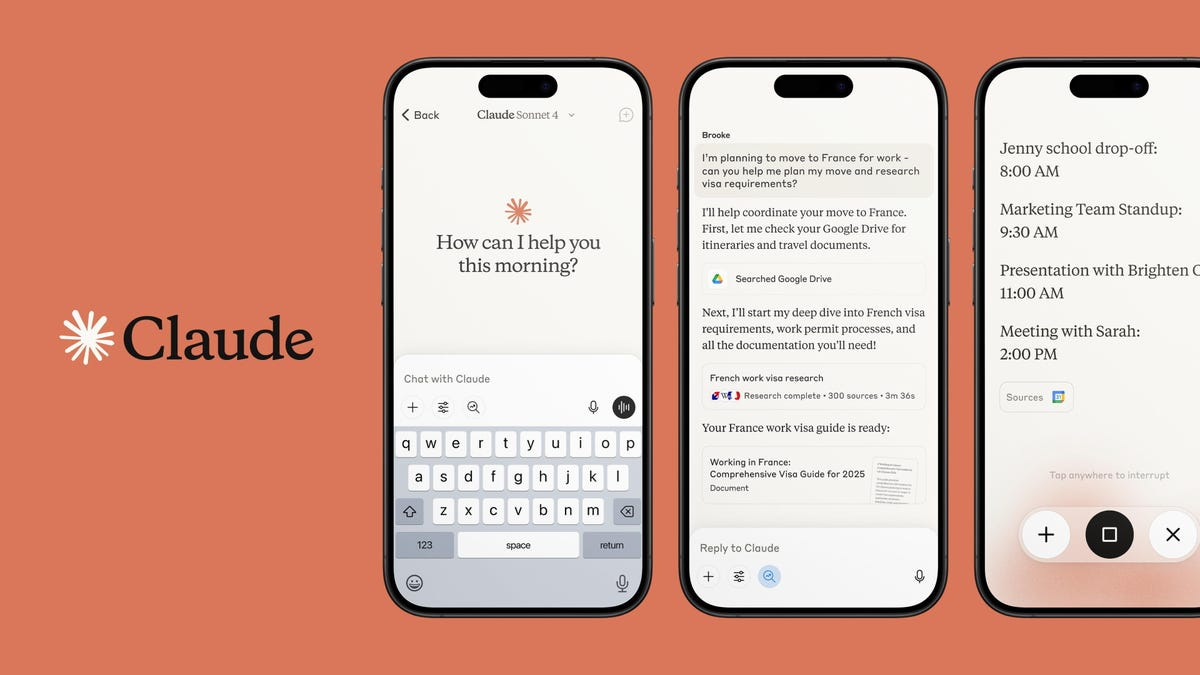
Claude combines natural conversation with excellent structured-data handling. It shines for educators or researchers who need to script, parse CSVs or work with Python snippets but want plain-English explanations alongside.